
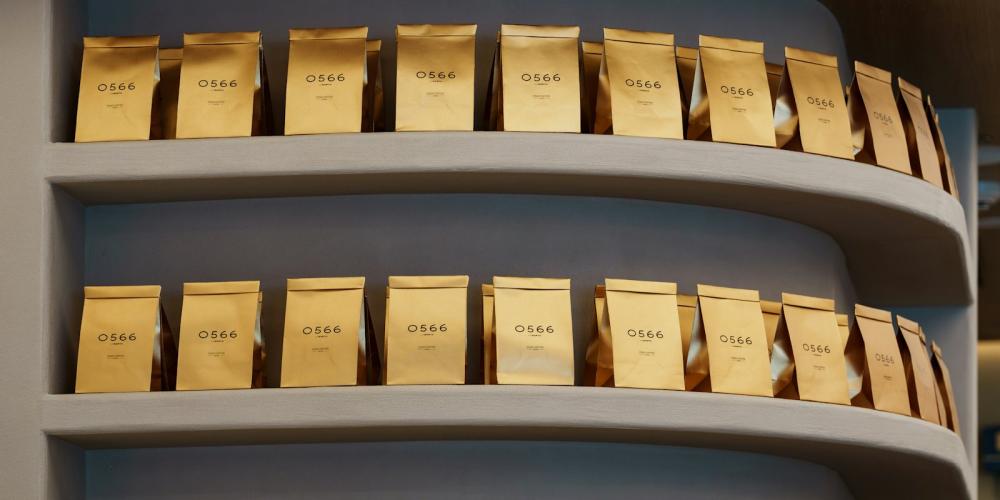
Many café owners believe that inventory management simply means "not running out," but the reality is much more complex. A bag of coffee beans stored for three months instead of three weeks doesn't simply "remain available"; it silently becomes a product that has lost a significant portion of its value before reaching a customer's cup. And a bottle of expired sauce languishing unnoticed on the back shelf isn't just a minor financial loss; it's an indication of the absence of a clear system for managing the three most essential elements in any café: coffee, syrups, and sauces. In this guide, we delve into how to intelligently manage the inventory of these three items, balancing the need for constant availability with maintaining peak quality and eliminating unnecessary waste.
Why do coffee, syrups, and sauces need a separate management system?
Unlike other products in the café, these three categories share one important characteristic: their quality is not constant over time, but rather deteriorates gradually even before the official expiration date printed on the packaging. This means that the most important question is not just "Is the product still good?", but "Is the product still at its peak quality?"—a crucial distinction that requires a more rigorous monitoring system than simply looking at the expiration date.
Coffee inventory management: The golden rule of freshness
Understanding the coffee life cycle
Coffee reaches its peak flavor approximately two weeks after roasting and begins to gradually decline after about a month, even if the packaging is airtight. This means that any quantity exceeding a café's actual needs within three to four weeks automatically becomes "declining stock," even if it appears perfectly fine.
How do you calculate the ideal amount of coffee?
Calculate your average daily coffee consumption based on the number of drinks sold, then multiply that figure by the number of days in your usual supply cycle with your supplier, adding a small safety margin of no more than one week. This simple formula prevents you from falling into the trap of "buying in bulk for savings," which often results in sacrificing quality for a small, unworthy financial gain.
Storing coffee beans the right way
- Keep the bags tightly closed in a cool, dry place away from direct light.
- Do not store coffee near sources of strong odors such as spices or cleaning products, because coffee easily absorbs surrounding odors.
- The "First In, First Out" (FIFO) system was strictly adopted, especially when receiving new batches of the same type with different roasting dates.
Managing serum inventory: Balancing variety and control
Sorting syrups according to consumption rate
Divide the syrups in your café into two clear categories: basic syrups (vanilla, caramel, hazelnut) consumed daily at a relatively consistent rate, and seasonal or experimental syrups (limited or new flavors) consumed at fluctuating and unpredictable rates. The first category requires a regular, almost automatic replenishment schedule, while the second requires careful weekly monitoring to avoid over-replenishment.
Shelf life after opening
Unlike coffee, syrups typically have a relatively longer shelf life even after opening, but it's not unlimited. Always check the supplier's instructions for each type, as some natural, preservative-free syrups may need refrigeration after opening, while others can be stored at room temperature for longer periods.
Avoid wasting rarely used serums
If you notice that a particular flavor has been sitting in stock for a long time with little demand, consider using it in a limited promotional offer instead of letting it expire, or reassess its usefulness on the menu altogether.
Managing sauce inventory: between internal use and decoration
The difference in consumption rate for each type
Classic sauces like chocolate and caramel are typically used for two purposes: as an internal ingredient and as a garnish. This means they tend to be consumed more frequently than specialty sauces, which are often used in only one drink on the menu. Understanding this difference helps you tailor your order to the actual usage of each item, rather than ordering the same amount for everything.
Proper storage of sauces
Some sauces need to be refrigerated after opening to maintain their texture and quality, especially those rich in dairy or natural fruits, while other sauces with a high sugar content can be stored at room temperature for longer. Always be sure to read the instructions for each individual product rather than assuming a one-size-fits-all rule.
Monitoring the consumption of pump bottles
If using fixed-dose pumping systems, carefully monitor the consumption rate of each bottle to determine the ideal time to reorder before running out completely, especially during peak hours when sudden depletion is difficult to notice until it is too late.
Common mistakes when managing coffee, syrups, and sauces inventory
- Treating all products with the same replenishment schedule : Coffee needs a much faster replenishment cycle than sauces, and treating everyone with the same schedule leads to either waste or unexpected depletion.
- Relying solely on the printed expiry date : especially with coffee, as the actual quality declines long before the official expiry date, making reliance on this date alone misleading.
- Ignore recording the date the package was opened : Many cafes do not record the date the syrup or sauce bottles were opened, making it difficult to know how old they actually are compared to the original purchase date.
- Purchasing new flavors in large quantities without testing demand first often leads to accumulating stagnant stock of flavors that have not met customer expectations.
A suggested work plan for managing these three elements
- Daily : Check the levels of the most commonly used basic syrups and sauces, and make sure there are no containers that are nearly empty.
- Weekly : Check the remaining roasting dates for current coffee bags, and assess the need to order a new batch based on the actual consumption rate.
- Monthly : Conduct a thorough inventory of all syrups and sauces, including slow-moving flavors, to identify any containers that are nearing their expiration date or sitting unused.
- Seasonally : Adjust the demand plan based on expected changes in demand, such as increased consumption of iced drinks in the summer or warm flavors in the winter.
How do you link sales data to inventory decisions?
The best cafes manage their inventory not by relying on intuition, but on actual data:
- Monitor the top 5 best-selling beverages each month and track their actual consumption of coffee, syrups, and associated sauces.
- Compare the current weekly consumption rate with the rates of previous weeks to identify any sudden changes that warrant investigation (such as a sudden increase in demand due to a trend on social media).
- Use this data to adjust incoming order quantities instead of repeating the same fixed quantity month after month without review.
Coffee Luxury, your trusted partner for managing your coffee, syrup, and sauce inventory
Professional inventory management begins with partnering with a supplier who guarantees consistent quality and a regular, timely supply. Luxury Coffee offers cafes, restaurants, and hotels a complete range of freshly roasted specialty coffee beans, high-quality syrups, and sauces in various flavors, with a commitment to consistent quality that helps you minimize waste and avoid unexpected shortages. Browse The Coffee Luxury Blog offers more practical articles on managing your cafe professionally, or contact us to build a reliable supply partnership that supports the stability of your inventory and the growth of your business.
Frequently Asked Questions
What should be the ideal quantity of coffee beans that a cafe buys at one time?
It is preferable to buy a quantity sufficient for consumption for only 3 to 4 weeks at most, in order to maintain the highest level of freshness and flavor, rather than buying large quantities to save on price at the expense of the quality of the final cup offered to the customer.
Do all types of syrups need to be refrigerated after opening?
No, it depends on the composition of each product; some natural, preservative-free syrups need refrigeration to maintain their quality after opening, while others can be stored at room temperature for longer periods. It's always best to consult the individual product instructions rather than assuming a general rule.
How do I know if a particular sauce or syrup flavor has become stagnant in the stock?
Monitor the consumption rate of each flavor weekly compared to the rest of the items; if you notice that a particular package takes much longer than average to be completely consumed, this is an indication of its stagnation, and it is worth reassessing its place on the menu or using it within a limited promotional offer before it expires.
What is the difference between a daily, weekly, and monthly inventory schedule for these products?
The daily inventory focuses on fast-moving products such as syrups and basic sauces to ensure they do not run out unexpectedly, while the weekly inventory checks coffee levels and roasting dates, and the monthly inventory is comprehensive and covers all items, including slow-moving flavors, to detect any hidden waste.
Can we rely solely on the printed expiry date to determine the quality of coffee or syrup?
Relying solely on the expiration date is insufficient, as the quality of these products, especially coffee, deteriorates gradually long before the official expiration date. It's better to consider the roasting date of the coffee and monitor the actual consumption rate of syrups and sauces, rather than waiting until the final expiration date.