
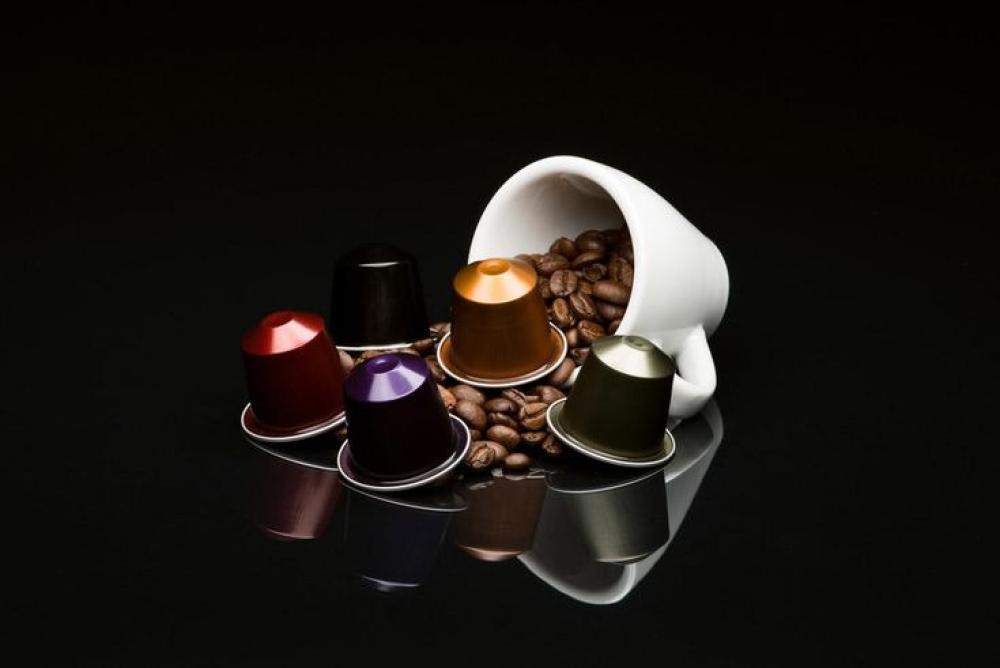
With the evolution of coffee preparation methods, coffee lovers now have a wide range of options, from traditional methods to modern systems, most notably capsule machines. This raises a fundamental question many ask: Is it better to use capsules? Or is preparing espresso the traditional way still the ideal option? To better understand the difference between the two methods, this article explores the main advantages and disadvantages of each by highlighting their key distinctions.
What is the fundamental difference between capsules and traditional espresso?
The main difference lies in the preparation method. Capsules consist of sealed packages containing pre-ground coffee beans, which are placed in a special machine and used at the touch of a button. Traditional espresso, on the other hand, is prepared using freshly ground coffee that is manually loaded into the espresso machine's portafilter, with precise control over the grind, pressure, and extraction. Essentially, capsules offer convenience, while traditional espresso provides a more personalized and professional experience.
What are the main advantages of coffee capsules?
- Easy to prepare: The most important feature is convenience. All you need to do is place the capsule in its slot, press the button, and wait a few seconds. There's no need to grind or refill the coffee, or clean the machine after each use.
- Variety of flavors: Capsule manufacturers offer a wide variety of flavors, geographical origins, and roasts, allowing the user to easily experience different tastes.
- Consistent quality: Since each capsule contains a precisely calculated dose of coffee, the result is consistent every time, with no variation in taste or intensity.
- Hygiene and safety: The capsules are tightly sealed, so there is no mess in preparation, and no coffee residue that needs to be cleaned up frequently.
What are the disadvantages of using coffee capsules?
- High long-term cost: While convenient, capsules are more expensive than buying ground coffee. With repeated daily use, the cost of capsules becomes significantly higher in the long run.
- Customization limitations: The amount of coffee, grind level, and extraction time cannot be adjusted, preventing you from having complete control over the taste as with traditional espresso.
- Environmental impact: Many capsules are not recyclable, causing a significant environmental burden, especially with intensive use.
- Machine type dependency: Each type of capsule requires a compatible machine, which may restrict the user when switching between brands.
What are the advantages of preparing traditional espresso?
- Complete control: You can adjust every element of the brewing process, from the grind size to the amount of coffee and water, and the brewing time. This allows you to create a cup of coffee that perfectly suits your personal taste.
- Professional results: When using good equipment and high-quality coffee beans, you can achieve a taste that rivals the best cafes.
- Long-term economics: After purchasing the basic equipment, buying ground coffee or roasted beans becomes much cheaper than relying on capsules.
- A pleasant preparation experience: The preparation process itself is beloved by many coffee lovers, who find in it a kind of enjoyable daily ritual.
What are the disadvantages of traditional espresso?
- Time and effort: Preparing espresso requires knowledge and skill, and it takes more time than just pressing a button.
- Cleaning difficulty: Tools such as the portafilter, brewing kit, and coffee grinder need constant cleaning to maintain quality and flavor.
- Start-up cost: Investing in a good espresso machine and professional grinder may be high, although this is later offset by operating costs.
Which is better for everyday use: espresso capsules or traditional espresso?
It depends on your lifestyle. If you're looking for convenience and quick preparation without the hassle of grinding and brewing, then capsules are perfect for you. But if you're a coffee aficionado who appreciates nuance and subtle flavors and is willing to put in the effort for a truly special cup, then traditional espresso is the ideal choice.
Can the two methods be combined?
Yes, many coffee lovers prefer using capsules for quick mornings or at the office, while dedicating more time on weekends or evenings to preparing espresso by hand. Combining the two methods allows for a balance between convenience and taste quality.
Does the flavor differ between capsules and traditional espresso?
Generally speaking, yes. Capsules offer a predetermined, non-adjustable flavor profile and may lack some of the depth and complexity achievable through manual brewing. Traditional espresso, on the other hand, allows for a wider range of flavor profiles with fine-tuning settings and improved skill, including balanced acidity, floral notes, or a deep, earthy character.
Are the capsules suitable for all coffee lovers?
Not necessarily. Capsules are suitable for the average user or beginner looking for a quick and easy solution. However, true coffee aficionados who appreciate nuance and subtle flavors may feel that capsules lack character and true variety.
Finally, it's impossible to definitively say that capsules are better or that traditional espresso is the only option. Each method has its advantages and disadvantages, and the final choice depends on lifestyle, budget, and personal preference. If you value convenience and speed, capsules offer the perfect solution. However, if you view preparing coffee as a daily ritual filled with passion, then traditional espresso is what you're looking for. The most important thing is to enjoy a cup of coffee that suits your taste, whether it's prepared at the touch of a button or through carefully planned and customized steps. You can now browse the Coffee Luxury blog to learn more about coffee, its preparation methods, and the key differences between each type.