
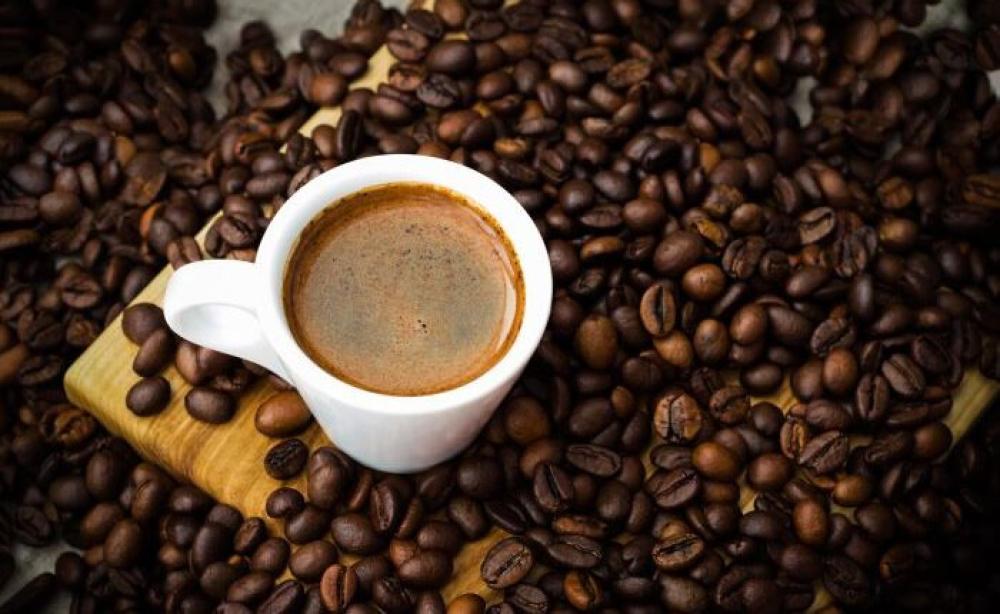
Coffee is one of the world's most traded commodities, with over 2 billion cups consumed daily. The coffee industry provides livelihoods for millions of people in the Global South. By 2025, global coffee production is projected to reach approximately 170 million bags (each weighing 60 kg), driven by increasing global demand for specialty and sustainable coffee . Production is concentrated in tropical countries with climates ideal for growing Arabica and Robusta coffee beans, where fertile soil, suitable altitudes (1000-2000 meters above sea level), and abundant rainfall provide an ideal growing environment. In Saudi Arabia, where around 1.5 billion cups are consumed annually, specialty coffee has become part of the modern culture, with a focus on beans from countries such as Brazil , Vietnam , and Ethiopia . In this article, prepared specifically for the Coffee Luxury Blog, we will review the top 10 coffee- producing countries in 2025 based on estimates from the Food and Agriculture Organization (FAO) and international statistics, focusing on their production, coffee varieties , and economic impact. We will also provide tips for selecting beans from these countries that are available in luxury coffee , such as crops from Hound , Ash , and Dhuha , to achieve a luxury coffee experience at home or in a cafe.
1. Brazil: The world's coffee giant
Brazil is projected to be the world's largest coffee producer in 2025, with an estimated output of around 3 million tons, representing 40-45% of global production. Coffee is grown in regions such as Minas Gerais and São Paulo, where the country produces significant quantities of Arabica (70%) and Robusta (30%). Brazilian coffee is known for its rich chocolate, caramel, and nutty flavors, along with a thick body and low acidity, making it ideal for espresso and cold brew. The Brazilian economy is heavily reliant on coffee , with the sector employing millions of workers and contributing approximately 2% to the GDP. For a touch of coffee luxury , try Hound Brazil Cascaval beans for a rich espresso or use them in a cold brew for a refreshing experience.
2. Vietnam: The second largest producer and main source of Robusta
Vietnam is projected to be the world's second-largest coffee producer in 2025, with an estimated output of 1.7 million tons. Robusta coffee (95%) is the dominant variety, grown in regions such as the Central Highlands and the Mekong Delta. Vietnamese coffee is known for its strong, slightly bitter flavors, often with hints of dark chocolate and spice, making it ideal for espresso blends and instant coffee. The coffee industry contributes 3% to Vietnam's GDP and employs over 2.5 million people. While Robusta is considered lower in quality than Arabica , it is more pest-resistant and cost-effective. For a luxurious coffee experience , choose a blend containing Vietnamese Robusta to create a robust brew, or use it in blends with Ethiopian ash to balance the flavors.
Read also: 12 common mistakes when buying whole coffee beans
3. Colombia: High quality and pure Arabica
Colombia ranks third globally with a projected production of approximately 885,000 tons in 2025, focusing on high-quality Arabica beans from regions like Huila and Nariño. Colombian coffee is known for its balanced flavors, bright acidity, and fruity notes such as apple and caramel, making it ideal for drip coffee and espresso . The coffee industry contributes 8% to Colombia's GDP and employs over 500,000 families. For a touch of coffee luxury , try Ash Colombia Supremo for a creamy latte or use it in a cold brew for a refreshing summer experience.
4. Indonesia: Diversity and Tropical Coffee
Indonesia ranks fourth globally in coffee production, with an estimated output of around 761,000 tons in 2025. The coffees grown on islands like Sumatra and Sulawesi feature a blend of Arabica and Robusta beans. Indonesian coffee is characterized by its earthy, spicy, and tropical fruity notes, along with a rich body and low acidity, making it ideal for espresso and cold brew. The industry contributes 2% to Indonesia's GDP and employs millions of small farmers. For a touch of luxury coffee , choose Indonesian beans to brew a rich Sumatran coffee, or use them in blends with hound for a balanced flavor profile.
5. Ethiopia: The cradle of coffee and the finest Arabica
Ethiopia ranks fifth globally, with production projected to reach approximately 483,000 tons in 2025, focusing on Arabica varieties in regions like Yirgacheffe and Sidamo. Ethiopian coffee is characterized by its floral, fruity, and citrusy notes, such as jasmine, raspberry, and lemon, making it ideal for both drip coffee and cold brew. The industry contributes 5% to Ethiopia's GDP and employs over 15 million people. For a touch of coffee luxury , try Dhuha Yirgacheffe for a floral drip coffee, or use it in a cold brew for a refreshing experience.
6. Honduras: Growing quality in Central America
Honduras ranks sixth globally with a projected production of approximately 476,000 tons in 2025, with a focus on Arabica beans in regions like Copán and Opalaca. Honduran coffee is characterized by its balanced flavors, moderate acidity, and hints of apple, cherry, and caramel, making it ideal for espresso and drip coffee . The industry contributes 5% to Honduras' GDP and employs over 1.2 million people. For a touch of coffee luxury , choose Honduran beans for a creamy latte or use them in blends with ash .
7. India: Diversity and Asian Coffee
India ranks seventh globally, with production projected to reach approximately 367,000 tons in 2025, featuring a blend of Arabica and Robusta beans in regions like Karnataka and Kerala. Indian coffee is characterized by its earthy, spicy, and chocolatey notes, along with a rich body, making it ideal for espresso and cold brew. The industry contributes 1% to India's GDP and employs millions of small farmers. For a touch of coffee luxury , try Indian beans for a spicy coffee, or use them in a cold brew with Turani sauce.
You can read: The top 10 signs that coffee beans are spoiled and unfit for consumption
8. Uganda: Growing African Coffee
Uganda ranks eighth globally in coffee production, projected to reach approximately 360,000 tons in 2025, with a focus on Robusta beans in regions like the Great Lakes. Ugandan coffee is known for its strong, bitter, and earthy flavors, making it ideal for espresso blends and instant coffee. The industry contributes 2% to Uganda's GDP. For a truly luxurious coffee experience , choose a blend containing Ugandan Robusta beans to brew a robust cup.
9. Peru: Organic and Sustainable Coffee
Peru ranks ninth with a projected production of around 350,000 tons in 2025, focusing on organic Arabica from regions like Cusco and Jajamarca. Peruvian coffee is characterized by its balanced flavors, moderate acidity, and hints of orange and nuts, making it ideal for drip coffee. Espresso . The industry in Peru contributes 2% to the GDP. For a touch of coffee luxury , try Peruvian beans to brew a healthy, organic coffee.
10. Mexico: Smooth Latin coffee
Mexico ranks tenth globally, with production projected to reach approximately 340,000 tons in 2025, focusing on Arabica beans in regions like Chiapas and Veracruz. Mexican coffee is characterized by its smooth, nutty, and citrusy notes, making it ideal for both drip and cold brew . The industry contributes 1% to Mexico's GDP. For a truly luxurious coffee experience , choose Mexican beans to brew a smooth and refreshing cup.
Frequently asked questions about coffee production
1. Which country will be the largest coffee producer in 2025?
Brazil , with a production of around 3 million tons, has been the world's leading producer for decades.
2. What is the difference between Arabica and Robusta in terms of production?
Arabica (70% of global production) is high quality and rich in flavor, while Robusta is more resistant and of lower quality, and is used in instant coffee .
3. Does climate affect coffee production?
Yes, climate change such as drought or heavy rainfall affects production, especially in countries like Ethiopia and Indonesia.
4. What is the best coffee for espresso?
Brazilian or Colombian coffee, such as Brazilian Hound or Colombian Ash , is distinguished by its thick consistency.
5. Is organic coffee better?
Yes, organic coffee from countries like Peru or Ethiopia is better for health and the environment, as it is grown without chemical pesticides.
6. How can I buy coffee from these countries?
At Luxury Coffee , we offer beans from the best producing countries, such as Ethiopian Dhuha or Brazilian Hound , with free shipping and fast delivery.
7. What is the impact of coffee production on the economy?
Coffee production contributes 1-2% of GDP in countries such as Colombia and Ethiopia , and employs millions of people globally.
You might also like: What are the most popular Saudi coffee flavors?
In 2025, Brazil will remain the coffee giant, followed by Vietnam, Colombia, and other countries contributing to a global industry worth hundreds of billions. Each country offers unique flavors that reflect its soil and climate, making coffee a global cultural and economic experience. At Luxury Coffee , we offer you the opportunity to explore these flavors through specialty beans and high-quality brewing equipment. Join the specialty coffee enthusiasts in Saudi Arabia and enjoy a cup of coffee that tells the story of an entire nation. Shop Luxury Coffee now for the best coffee you desire.