
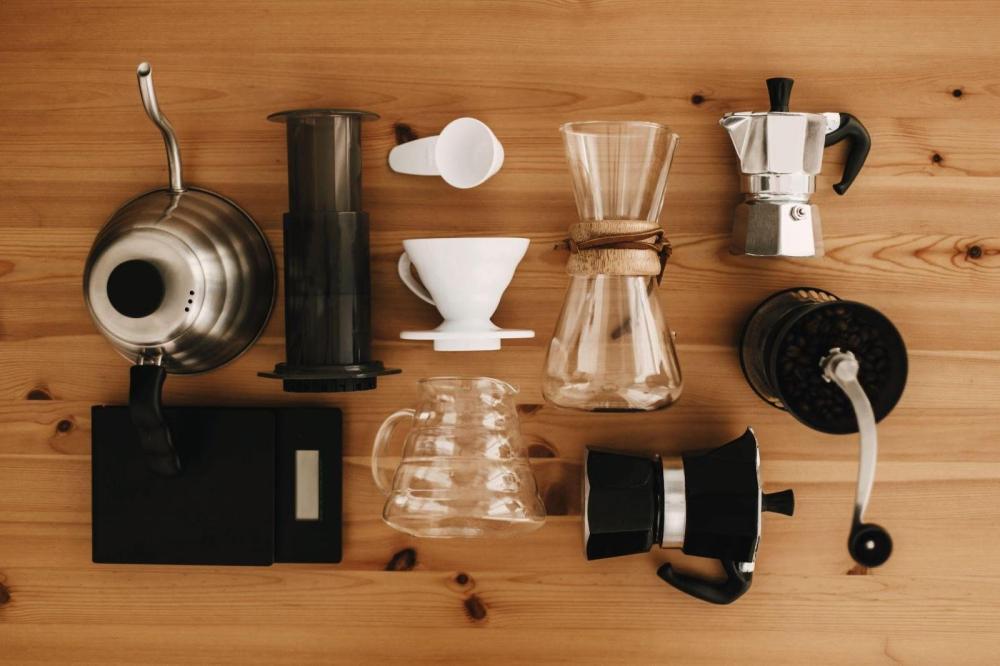
Choosing the best coffee beans isn't enough to guarantee a perfect cup. Coffee, in all its complexity and allure, depends on a range of factors that shape its final taste, and one of the most important is the brewing method. You may have noticed that the taste of coffee varies even when using the same beans, and the reason is often the different brewing tools you use. Each tool has its own unique way of handling the coffee and water, producing a different taste each time. In this article, we'll explore how brewing tools affect the taste of coffee, highlighting the most popular methods and analyzing the role each plays in shaping the flavor, body, and aroma.
Why do brewing tools affect the flavor of coffee?
Brewing coffee is not simply a matter of mixing water with coffee beans; it's a delicate chemical reaction influenced by a range of factors. Brewing methods vary in how they extract flavors from the beans, whether through immersion, drip, or pressure. These methods also differ in brewing speed, water temperature, filter type, and the duration of contact between the coffee and water. All these variables directly affect the amount of compounds extracted and, consequently, the final taste of the cup.
Factors that control taste according to the tool
1. Extraction method
The brewing method determines how the water will interact with the coffee. Full immersion, as in French press, produces a heavy, rich flavor, while drip brewing, as in V60, produces a cleaner, more distinct flavor. High pressure, as in espresso, produces a concentrated, rapid flavor, often base for other milk-based drinks.
2. The filter used
The type of filter affects the passage of oils and aromatic compounds. Paper filters absorb the oils, producing a light and clear coffee. Metal or fabric filters, on the other hand, allow these oils to pass through, resulting in a deeper flavor and a richer body.
3. Water temperature
Temperature plays a crucial role in extracting flavors. Tools like espresso machines or AeroPress maintain the proper temperature, while other tools may lose some heat during preparation, weakening or altering the result.
4. Contact time
The length of time the water remains in contact with the milk affects the result. A short time may lead to incomplete extraction, while a long time may result in excessive bitterness or undesirable flavors.
The most common cooking tools and their effect on taste
French Press
It involves fully immersing the coffee grounds in hot water, then forcing the grounds through a metal filter. This produces a strong coffee, rich in flavors and oils. It's suitable for those who prefer a robust taste and thick body. A drawback is the possibility of sediment in the cup.
V60 and Chemex (manual distillation apparatus)
It relies on gradually pouring water over coffee grounds placed in a paper filter. This allows for precise control over the extraction process, producing a smooth, light, and clean-tasting coffee. Fruity notes and acidity are clearly present. Ideal for those who appreciate subtle flavor nuances.
Espresso machine
It uses high pressure to extract coffee in a very short time. The result is a concentrated, rich coffee that forms a crema on top. The taste is strong and intense, with a noticeable bitterness. Ideal for those who like strong coffee or milk-based drinks like cappuccinos and lattes.
AeroPress
A portable and easy-to-use tool that combines pressure and immersion brewing. It delivers multiple results depending on the method used, producing smooth and balanced coffee. It allows for experimenting with a wide range of flavors depending on the grind size and brewing time.
How to choose the tool according to personal taste
There is no single method that can be considered best for everyone; each person has their own preference. Some prefer strong, mouth-filling coffee, while others like light, clear coffee that showcases acidity and complex flavors. There are also those who seek speed and ease, and others who enjoy the ritual of hand-brewing.
Choose a French press if you prefer thick, rich coffee. Try a V60 or Chemex if you like fruity and tangy coffee. An espresso machine is suitable if you enjoy creamy and concentrated drinks. An AeroPress is ideal for a different and faster experience. And don't forget Arabic coffee, which adds a spiritual and traditional dimension to the coffee experience.
Important tips to improve your experience with preparation tools
Use the appropriate grind setting for each tool; each tool has an ideal grind level that ensures balanced extraction.
Make sure to use pure, odorless water, as water makes up 90% of coffee's composition.
Try using a scale and timer to improve preparation accuracy.
Don't hesitate to try new tools; every experience has a different flavor and a new discovery.
– Always keep your preparation tools clean to avoid changes in taste or the formation of deposits that affect the flavor.
Finally, the coffee journey doesn't end with choosing the beans; it involves many stages, the most important of which is the brewing tool. Each tool adds its own unique touch to the flavor and opens a new window into the diverse world of coffee. Discovering the tool that suits your taste is part of the enjoyment and a way to appreciate every detail of this enchanting beverage. At Coffee Luxury , we don't just offer products; we accompany you on your journey to discover coffee as it should be experienced. Through our coffee blog, we also provide essential tips in the world of coffee, helping you always get the best out of your favorite brew.