
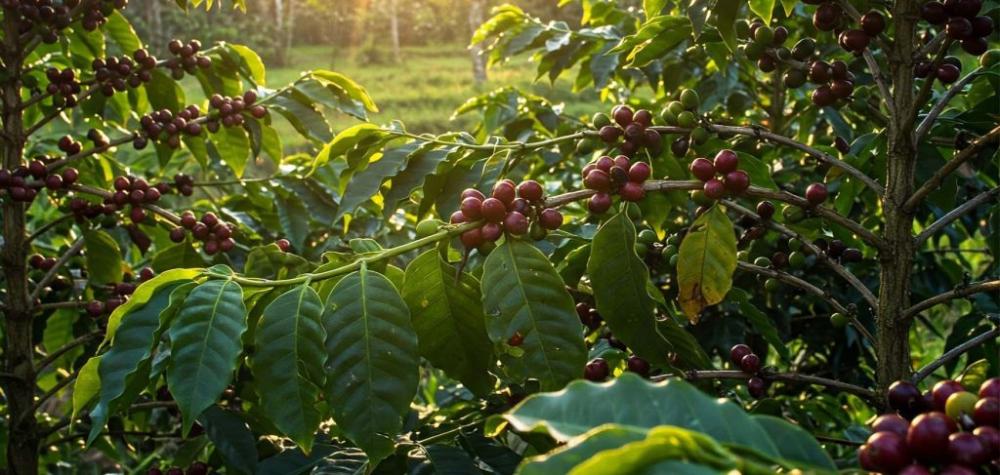
In the world of specialty coffee , climate is a crucial factor in determining the quality and quantity of coffee bean production, directly impacting plant growth, pest resistance, and final flavor. With the increasing impacts of climate change, coffee farming faces significant challenges, threatening traditional regions such as the " Coffee Belt" between 25 degrees north and south latitude. In this comprehensive guide to 2025, we explore how climate factors affect coffee farming, focusing on temperature, rainfall, humidity, and environmental changes. We'll also cover frequently asked questions on the topic, urging you to choose the finest specialty coffee from sustainable sources. Whether you use a professional coffee machine like the Ariete Zoe or the Sanremo 2 Group , understanding these influences helps you appreciate fresh coffee. Order now from the Coffee Luxury store and enjoy special offers on sustainable coffee!
Main climatic factors and their impact on coffee cultivation
Growing coffee, especially Arabica and Robusta varieties, requires a delicate balance of climatic factors to achieve high-quality production. Here are the key details:
1. Temperature: The key to plant growth
The ideal temperature for growing coffee is between 18-24°C for Arabica and 22-30°C for Robusta. Temperatures above 30°C speed up metabolism, reducing bean size and impairing flavor. They also increase the incidence of pests like the coffee borer. Cooler temperatures below 15°C slow growth and reduce yields. With climate change, suitable areas are expected to decrease by up to 50% by 2050, pushing farmers to higher elevations where temperatures are cooler. At Luxury Coffee , we select beans from ideal regions like Ethiopia and Colombia to ensure a balanced flavor—order your Colombian Supremo coffee now!
2. Rainfall: Balance between humidity and dryness
Coffee cultivation requires 1,200–2,500 mm of rainfall annually, with dry periods for flowering and harvesting. Too little rainfall results in small, low-quality beans, while too much rain can lead to defects such as fungus or premature peeling. Climate change is making rainfall erratic, increasing drought in some areas and causing flooding in others, reducing global production. To combat this, farmers are turning to artificial irrigation, but this increases costs.
3. Humidity and wind: factors that help growth.
The ideal relative humidity ranges from 60-80%, which aids leaf and fruit growth, but excess humidity can lead to the spread of diseases such as coffee rust. Strong winds damage plants and reduce pollination, especially in exposed areas. Climate change is increasing the intensity of storms, threatening farms in Latin America and Africa.
4. Elevation and soil: an indirect effect of climate
Coffee grows best at elevations of 600–2,000 meters, where temperatures are moderate and rainfall is regular. Climate change is forcing cultivation to higher elevations, reducing available land and increasing pressure on forests. The mineral-rich volcanic soil is also affected by erosion caused by heavy rainfall.
5. The impact of global climate change: pests and quality
Climate change is increasing the spread of pests and diseases such as coffee rust, reducing production by up to 50% in some areas. It also affects the quality of the beans, making flavors less complex and increasing prices. By 2050, global production could decline, threatening 120 million farmers.
Frequently asked questions about the impact of climate factors on coffee cultivation
Here are answers to the most frequently asked questions based on coffee experts:
- What is the ideal temperature for growing coffee? It ranges from 18-24°C for Arabica, and slightly higher for Robusta. Higher temperatures can cause growth problems and pests.
- How is climate change affecting coffee production? It will reduce suitable areas by 50% by 2050, increase pests and diseases, and raise prices.
- What is the impact of a lack of rainfall on coffee cultivation? It results in small, low-quality beans, while excess rainfall leads to fungal diseases and flooding.
- Can climate impacts be mitigated in coffee cultivation? Yes, through the cultivation of resilient varieties, efficient irrigation, and sustainable agriculture, but this requires international support.
- How does climate affect coffee quality? It reduces the complexity of flavors due to plant stress, making the coffee less appealing.
Choose sustainable coffee with the luxury of coffee and order now!
Understanding how climate factors affect coffee cultivation highlights the importance of sustainable agriculture to preserve this precious crop. At Luxury Coffee , we're committed to providing the finest specialty coffee from sustainable farms, along with coffee accessories like the Shambali M23 2 GROUP coffee machine for perfect brewing. Shop now.