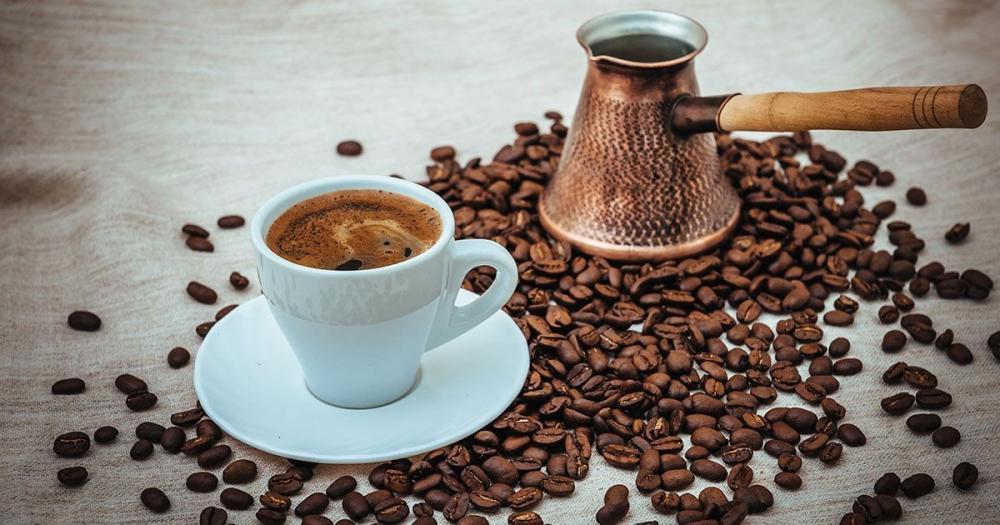
What are the most famous Saudi coffee flavors? They are a charming blend of aromatic cardamom, luxurious saffron, spicy cloves, and warm ginger, served in a cup that carries the heritage of the Kingdom. Saudi coffee is more than just a beverage; it's a story of hospitality and generosity, brimming with culture in every sip. Join us on this detailed journey to explore its most prominent flavors, history, preparation methods, and the secrets behind its distinctiveness, along with answers to your frequently asked questions. Finally, we invite you to experience these authentic flavors at the Luxury Coffee Shop for an unforgettable experience.
The history of Saudi coffee from its roots to the present day
Saudi coffee traces its origins to traditional Arabic coffee , which originated in Yemen and spread throughout the Arabian Peninsula. In Saudi Arabia, coffee has become an integral part of the cultural identity, particularly in southern regions like Jazan and Al-Baha, where coffee beans are grown locally. Saudi coffee is characterized by its light roast (blonde or medium), giving it a light golden color rather than the dark roast of Western coffee. It is often blended with natural spices to enhance its flavor, such as cardamom, saffron, cloves, and ginger. These additions are not arbitrary; rather, they reflect regional diversity, with flavors varying between Najd, Hejaz, and the south.
Read also: What are the most popular types of specialty coffee in demand at cafes?
What are the most popular Saudi coffee flavors?
Saudi coffee is distinguished by its diverse flavors, where coffee beans (usually Arabica) are carefully selected and blended with spices to produce a balanced taste of sweetness, mild acidity, and aroma. Here are some of the most popular flavors, with a detailed description of each:
Cardamom flavor (traditional Saudi coffee with cardamom) :
This flavor is the most popular and widespread in Saudi Arabia, especially in central regions like Riyadh and Qassim. Cardamom (also known as habhan) adds a strong aromatic scent and a subtle sweetness, making the coffee less bitter and more refreshing. The final taste is reminiscent of a blend of citrus and warm spices, with a hint of caffeine. In preparation, the coffee beans are lightly roasted and then ground with green cardamom pods. This flavor is ideal for everyday hospitality and is often served with dates to enhance its natural sweetness. In the south, such as in Jazan, it is known as "Khawlani coffee," where the beans are grown locally and are characterized by a strong flavor and larger size.
Saffron flavor (Saudi coffee with saffron) :
This luxurious flavor is a symbol of sophistication, especially for special occasions like holidays and official visits. Saffron gives the coffee a bright golden color and a rich floral aroma, with a subtle sweetness reminiscent of honey blended with spices. It is often combined with cardamom or cloves to balance the flavors. In northern regions like Tabuk or Al-Jawf, this flavor is popular due to its calming and refreshing effect. Saffron coffee contains natural antioxidants, making it a healthy choice. If you try it, you'll experience a long-lasting taste in your mouth, with a subtle acidity from the lightly roasted beans.
Clove and ginger flavor (Saudi coffee with hot spices) :
This flavor is common in southern regions like Al-Baha and Asir, where cloves are added for a slightly spicy and bitter taste, along with ginger, which adds warmth and health benefits such as improved digestion. The final taste is a balanced blend of heat and aroma, with a subtle hint of bitterness from the beans. In some recipes, cinnamon is added to enhance the sweetness. This flavor is ideal for winter, providing a feeling of warmth and energy. Qassim coffee is a prime example, characterized by its natural sweetness, while Al-Baha coffee is more bitter.
Green or unroasted coffee flavor (light Saudi coffee) :
This relatively modern flavor is inspired by ancient traditions, using unroasted or partially roasted beans to preserve natural flavors like fruits and herbs. The taste is mild and tangy, with a herbal aroma reminiscent of green tea . Popular in the Hejaz region, such as Mecca and Medina, it is often served without sugar to emphasize its natural quality. This flavor is a favorite among health enthusiasts, as it contains higher levels of antioxidants.
Other regional flavors :
- Najdiyah coffee : Strong and rich, with mild spices, common in the middle.
- Hijazi coffee : light and aromatic, with floral touches.
- Southern coffee : like Khawlani, with natural fruity flavors due to local cultivation.
You can read: The top 10 coffee-producing countries for 2025
How to prepare Saudi coffee at home
To prepare the perfect cup, start with high-quality Arabica beans. Heat water in a dallah (traditional coffee pot), add the ground beans (2-3 tablespoons per cup), then the spices (such as 1/2 teaspoon of cardamom). Simmer for 5-10 minutes, then strain and add saffron if desired. Serve in small cups with dates or Saudi sweets.
The most frequently asked questions about Saudi coffee
What is the difference between Saudi coffee and general Arabic coffee?
Saudi coffee is part of Arabic coffee, but it is distinguished by a lighter roast and regional additions such as saffron in Saudi Arabia, while it may be heavier in other countries. The main difference lies in the roasting process and regional spices.
Does Saudi coffee contain high levels of caffeine?
No, because of the light roasting, the caffeine level is moderate, making it less exciting than espresso , but refreshing thanks to the spices.
How is coffee used in Saudi rituals?
It is offered as a symbol of hospitality in gatherings, and on occasions such as holidays or visits, where coffee is poured from the pot with the right hand as a sign of respect.
Does coffee grow in Saudi Arabia?
Yes, in the south, such as Jazan, Arabica is grown locally, but most of it is imported from Yemen or Ethiopia .
What are the health benefits of Saudi coffee?
It contains antioxidants from spices, aids digestion (ginger) and calms nerves (saffron), in addition to the general benefits of coffee such as improved concentration.
The finest Saudi coffee is now available from Luxury Coffee.
Saudi coffee is more than just a beverage; it's a cultural experience that blends history with unique flavors. Whether you prefer classic cardamom or luxurious saffron, it adds a touch of warmth to your day. For the finest selection, we recommend visiting Luxury Coffee Shop, where we offer fresh, hand-roasted beans with a variety of authentic flavors. Shop now for the best coffee.
You might also like: The most expensive coffees in the world