
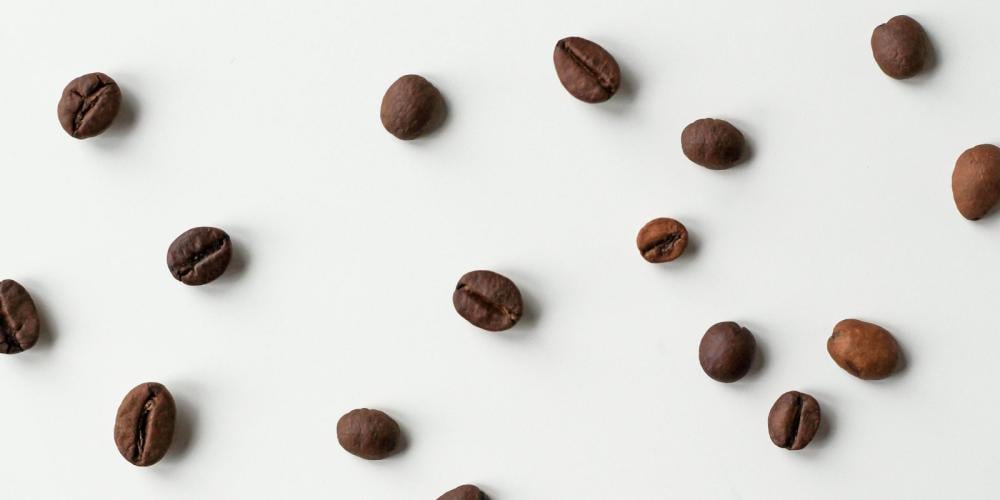
Stand before the coffee shelf in any specialty shop, and you'll find yourself faced with a seemingly simple decision that embodies two completely different coffee philosophies: a bag bearing the name of a single farm in Ethiopia, and another labeled "Special Espresso Blend" without specifying a country. Which is better? The truth is, this question itself lacks precision, as each option wasn't designed to outperform the other, but rather to serve entirely different purposes. In this article, we'll explain the fundamental difference between "Single Origin" and "Blend" coffee, and when each is truly the right choice, whether you're buying coffee for home use or building a professional café menu.
What is Single Origin coffee?
Single-origin coffee is coffee that comes entirely from a single, specific geographic location. This location could be a country, a region within a country, or even a single farm. The primary goal of this type of coffee is to highlight the unique identity and natural characteristics of that specific origin, without any intervention that might conceal or alter its original nature.
When you drink a cup of Single Origin coffee from Ethiopia, for example, you're actually tasting a direct reflection of the soil, climate, altitude, and processing methods specific to that region, without any blending that alters its original character. This is why Single Origin coffee often has distinct and easily identifiable flavors, such as citrus, berry, or floral notes.
What is Blend coffee?
Blend coffee, or "mix," is a coffee that combines two or more types of coffee beans from different origins, blended together in carefully calculated proportions by a professional roaster. The goal of this blending is not to dilute the quality, as some might mistakenly believe, but rather to achieve a specific and consistent flavor balance that is difficult to obtain from a single source.
The professional roaster selects each ingredient in the blend for a clear reason: coffee from one country gives a heavy body and sweetness, another from another country adds a refreshing acidity, and a third provides a layer of chocolate or nut flavor, so that the final blend comes out with a complete and balanced taste that is difficult to achieve with a single bean on its own.
Key differences between Single Origin and Blend
1. Source of grains
Single Origin comes from a single, specific geographical source, while Blend combines grains from multiple and diverse sources that may sometimes extend across several continents.
2. Consistent flavor across seasons
This difference is often overlooked, but it is very important: Single Origin coffee may change slightly in taste from one harvest season to another depending on changing natural conditions such as weather and rainfall, while blends are specifically designed to achieve a consistent and recurring taste regardless of seasonal fluctuations, because the roasting expert constantly adjusts the proportions to maintain the same flavor profile known to the consumer.
3. Complexity of flavor versus clarity
Single Origin gives you a "clear and crisp" flavor that reflects the character of a precisely defined growing region, while Blend gives you a "composite and balanced" flavor specifically designed to cover as many taste preferences as possible at once.
4. Ideal use in preparation
Single Origin is often preferred in brewing methods that emphasize subtle details like filters and pour-overs, allowing individual acidity and flavor profiles to shine through. Blend, on the other hand, is traditionally used in espresso and milk-based coffee drinks like lattes and cappuccinos, as the balance and body it provides hold up better to milk without sacrificing flavor.
5. Price and Availability
Due to the scarcity of some origins and their limited seasonal production, premium Single Origin coffee is often more expensive and less available year-round, while blends offer greater flexibility in continuous availability and more stable pricing, thanks to the ability to adjust their ingredients according to the availability of beans in the market.
When should you choose Single Origin?
- When you want to explore the specific flavor profile of a particular region or country in a pure and clear way.
- If you are a fan of manual brewing methods such as filtering or pour-over brewing that highlight the fine details in the cup.
- When looking for a "narrative" coffee experience with a clear identity that you can share with others, such as knowing the name of the farm or its height.
- If you are a specialty coffee enthusiast always looking for new and varied experiences with every bag you try.
When should you choose Blend?
- If you run a cafe and need a consistent espresso flavor that doesn't change between customer visits.
- When preparing milk-rich drinks such as lattes and cappuccinos, the drink requires a strong body that can withstand the taste of milk.
- If you are looking for a reliable daily coffee at a stable price without having to constantly change your source depending on seasonal availability.
- When serving coffee to a wide and diverse audience, it is difficult to satisfy everyone with a single, sharply defined flavor.
Can the cafe use both types together on the menu?
Absolutely, and that's exactly what most successful specialty cafes do. The common strategy is:
- Using a custom blend as the basis for espresso : to ensure a consistent taste for all daily milk-based coffee drinks that make up the bulk of sales.
- Introducing a rotating Single Origin manual brewing menu : as a "filter or drip coffee" option for coffee lovers seeking a deeper experience, updated periodically as new seasons and origins become available.
This combination gives the café the best of both worlds: reliable business stability for daily sales, and creative differentiation that attracts coffee lovers looking for a truly exploratory experience.
Common myth: Is blending always of lower quality than single origin?
This is one of the most widespread misconceptions in the coffee world. The truth is that the quality of a blend depends entirely on the quality of the beans used and the skill of the roaster who created it, not on the concept of "blending" itself. There are truly exceptional blends made from high-quality Single Origin beans, individually selected and then meticulously blended to achieve an extraordinary flavor balance that is difficult to achieve from a single source. Conversely, you might find Single Origin coffee that is poorly processed or stored, despite boasting a specific origin. Quality, therefore, is linked to the bean itself and how it is handled, and is not exclusive to either type.
Coffee luxury, your partner in choosing the right coffee for every need
Whether you're looking for a single-origin coffee with a unique story or a well-balanced blend to complement your everyday coffee drinks, Coffee Luxury is your ideal destination. We offer cafes, restaurants, hotels, and home coffee lovers a diverse selection of high-quality specialty coffees from various origins and expertly crafted blends, along with professional coffee accessories and expert advice to help you make the right choice. Browse The Coffee Luxury Blog offers more educational articles about the world of specialty coffee, or contact us to choose the coffee that perfectly suits your needs.
Frequently Asked Questions
Is Single Origin coffee always more expensive than Blend coffee?
Not always. The price of Single Origin coffee depends on its rarity, processing method, and the quality of the bean itself, and you may find more economical varieties. Conversely, some premium blends made from exceptional Single Origin beans can be more expensive than standard single-origin coffee. The price is more related to the quality of the ingredients than to the classification itself.
Which type is better for espresso, Single Origin or Blend?
Traditionally, blends are used more in espresso because they are designed to provide a heavy body and flavor balance that holds up against milk, but this does not preclude the use of high-quality Single Origin in espresso as well, especially in specialty cafes that offer "single origin espresso" as a premium option for lovers of distinct individual flavors.
Can the flavor of Single Origin coffee change from one package to another?
Yes, this is normal and expected, because the Single Origin flavor is directly linked to the harvest season and weather conditions of that particular year, unlike blends whose proportions are constantly adjusted to maintain a consistent and recurring taste over time.
What does it mean to have two or more countries mentioned on one bag?
This means that the bag contains Blend coffee, which is a mixture that combines beans from more than one geographical source, and the label usually mentions the percentage of each ingredient or at least the names of the countries used in the mix.
Is Single Origin coffee suitable for beginners in the world of specialty coffee?
Yes, it is an excellent opportunity for beginners to discover the diversity of natural coffee flavors around the world, but it is preferable to start with origins with relatively familiar flavors such as Latin America before moving on to origins with a sharp acidic character such as East Africa, to avoid a strong flavor shock that may not suit a taste that is not yet accustomed to specialty coffee.